
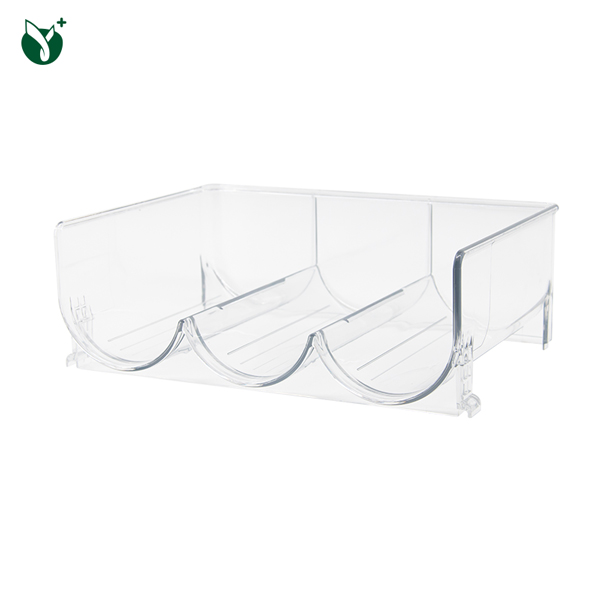
In a significant stride toward sustainability, a leading manufacturer specializing in biodegradable materials has recently unveiled its latest innovation: a biodegradable plastic box designed specifically for food storage and packaging. This breakthrough product not only promises to meet the growing consumer demand for eco-friendly alternatives but also marks a milestone in the company’s ongoing commitment to environmental responsibility.
The company, renowned for its dedicated research and development team, boasts extensive experience in the field of biodegradable materials. Their deep expertise, combined with a strategic partnership with the School of Materials Science and Chemical Engineering at Ningbo University, has been instrumental in bringing this product from concept to market. This collaboration leverages cutting-edge academic research and industrial know-how, creating a synergy that is helping to open a new era of sustainable packaging solutions.
### Reinventing Food Packaging with Biodegradable Materials
Traditional plastic packaging has long been criticized for its detrimental environmental impact, given the persistence of conventional plastics in ecosystems and their contribution to pollution. The innovative plastic box for food offered by the company addresses these issues by utilizing biodegradable materials that decompose naturally under appropriate conditions, significantly reducing the environmental footprint.
The product is designed to meet rigorous standards for safety, durability, and usability, ensuring it can replace conventional plastic boxes without compromising food protection or consumer convenience. Its biodegradability means that after use, the material can break down efficiently, making it an excellent alternative for reducing plastic waste in the food packaging sector.
### Strong R&D Foundation Driving Innovation
The cornerstone of this development lies in the company’s R&D team, which is composed of experts who bring rich industry experience, particularly in the chemistry and engineering of biodegradable polymers. They have directed their efforts toward creating materials that strike an optimal balance between performance and environmental compatibility.
One of the key challenges addressed by the team was ensuring the plastic box maintained the necessary barrier properties — such as resistance to moisture and oxygen — that are critical for preserving food quality. Leveraging advanced biodegradable polymers and proprietary formulations, the researchers have succeeded in producing a box that meets and even exceeds these functional requirements.
Moreover, the team’s focus extended beyond mere biodegradability. They also emphasized the importance of material sourcing and manufacturing processes, aiming to adopt renewable feedstocks and energy-efficient production techniques. These efforts align with the company’s vision of delivering packaging solutions that are truly sustainable throughout their lifecycle.
### Academic Partnership: Bridging Science and Industry
Integral to the success of this project is the close collaboration with the School of Materials Science and Chemical Engineering at Ningbo University. This partnership has allowed the company to tap into academic resources, including state-of-the-art laboratories, expert faculty, and innovative research projects focused on environmental materials science.
Together, the company and the university have explored new biodegradable polymer blends and advanced processing techniques, resulting in materials that not only perform well but also exhibit enhanced biodegradation rates. This academic-industry collaboration ensures that the product development pipeline continuously incorporates the latest scientific breakthroughs, keeping the company at the forefront of eco-friendly material innovation.
### Toward a Greener Future
As governments, consumers, and industry stakeholders increasingly prioritize sustainability, the demand for biodegradable and environmentally friendly packaging continues to grow. The launch of this biodegradable plastic box for food represents more than just a new product; it symbolizes a commitment to a greener future — one where convenience and environmental stewardship go hand in hand.
The company’s initiative demonstrates how scientific research, combined with a passionate R&D team and academic partnerships, can drive the transition from conventional plastics to sustainable alternatives. It serves as an inspiring example for other businesses in the packaging industry to invest in innovation aimed at reducing environmental impact.
### Market Impact and Industry Significance
Beyond its environmental benefits, this biodegradable plastic box is expected to create positive ripples across the food packaging supply chain. Food manufacturers and retailers adopting this packaging can enhance their sustainability credentials and meet increasing regulatory demands regarding plastic reduction and waste management.
Consumers, too, stand to benefit by gaining access to safe, reliable, and sustainable food packaging, enabling eco-conscious choices without sacrificing quality or convenience. As awareness of plastic pollution intensifies, such products will likely see increasing preference in domestic markets and export destinations alike.
### Conclusion
The launch of this innovative biodegradable plastic box for food packaging underscores the pivotal role of experienced R&D teams and strategic academic collaborations in advancing sustainable materials. By effectively combining expertise, cutting-edge research, and a clear environmental mission, the company is helping to usher in a new era of green packaging solutions, contributing meaningfully to global efforts to reduce plastic pollution and protect the planet for future generations.
As the environmental challenges posed by plastic waste continue to mount, innovations like this biodegradable food box demonstrate the power of science and industry working together to create sustainable alternatives that are practical, efficient, and aligned with the imperatives of our time. With such progress, the future of packaging looks increasingly promising and environmentally responsible.